


Publications

Understanding the Consolidation of Labour Laws Under the New Codes

Understanding the Consolidation of Labour Laws Under the New Codes

This article pertains to Understanding the Consolidation of Labour Laws Under the New Codes.
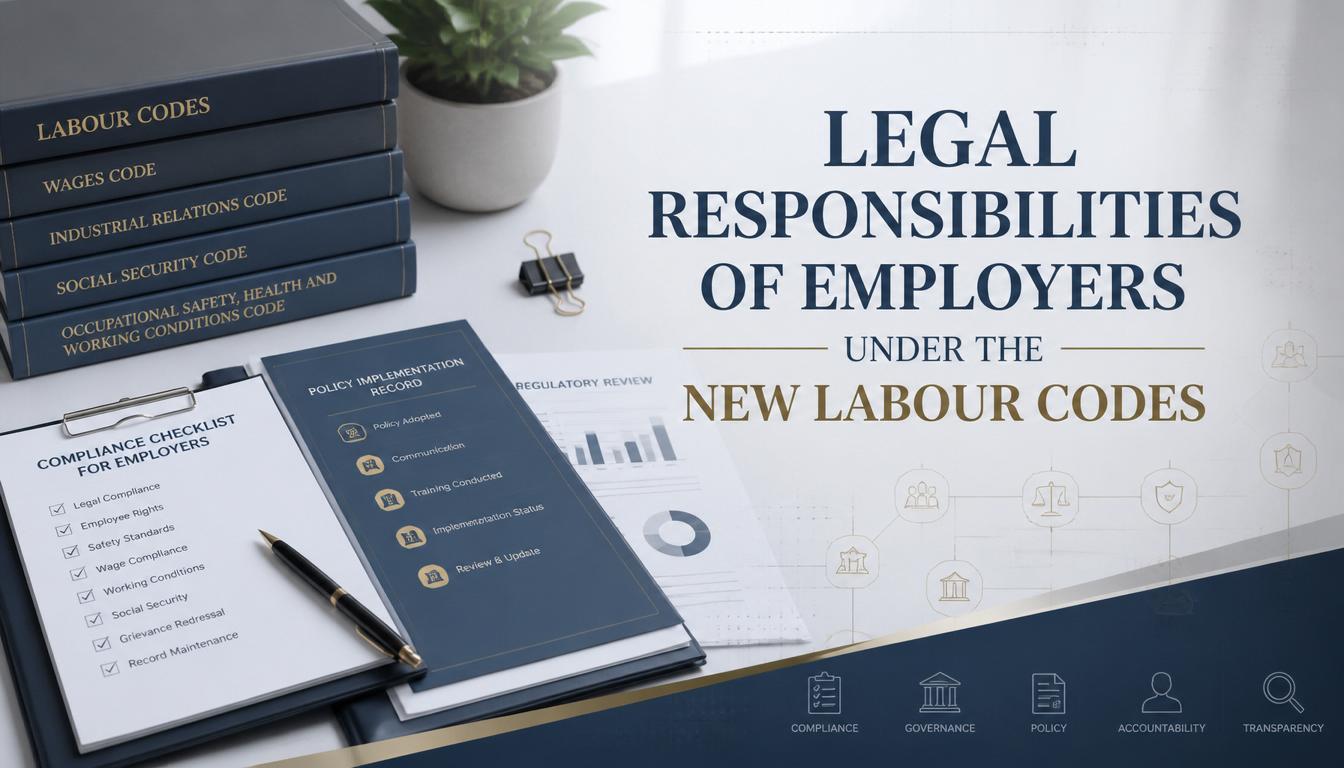
Legal Responsibilities of Employers Under the New Labour Codes

Legal Responsibilities of Employers Under the New Labour Codes

This article pertains to Legal Responsibilities of Employers Under the New Labour Codes.

Implementing the Social Security Code Challenges and Opportunities

Implementing the Social Security Code: Challenges and Opportunities

This article pertains to Implementing the Social Security Code: Challenges and Opportunities.
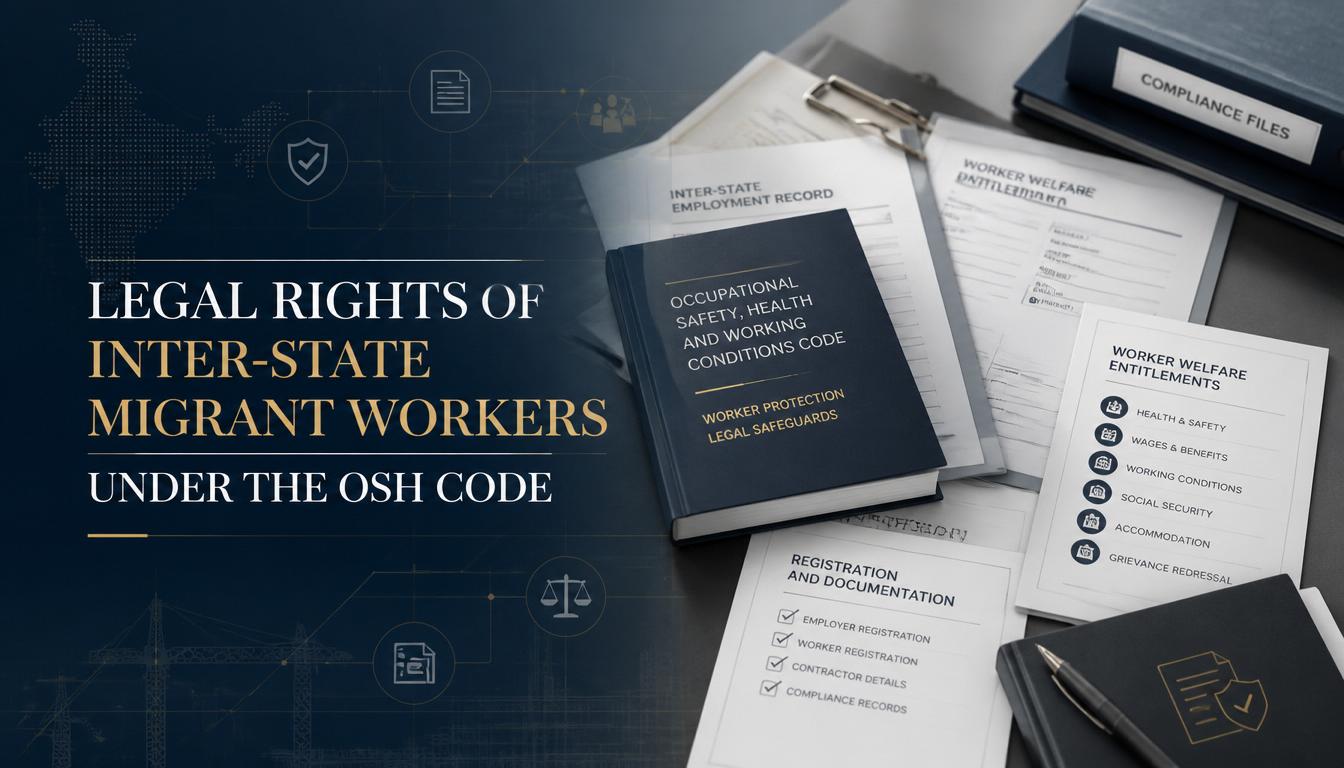
Legal Rights of Inter-State Migrant Workers Under the OSH Code

Legal Rights of Inter-State Migrant Workers Under the OSH Code

This article pertains to Legal Rights of Inter-State Migrant Workers Under the OSH Code.
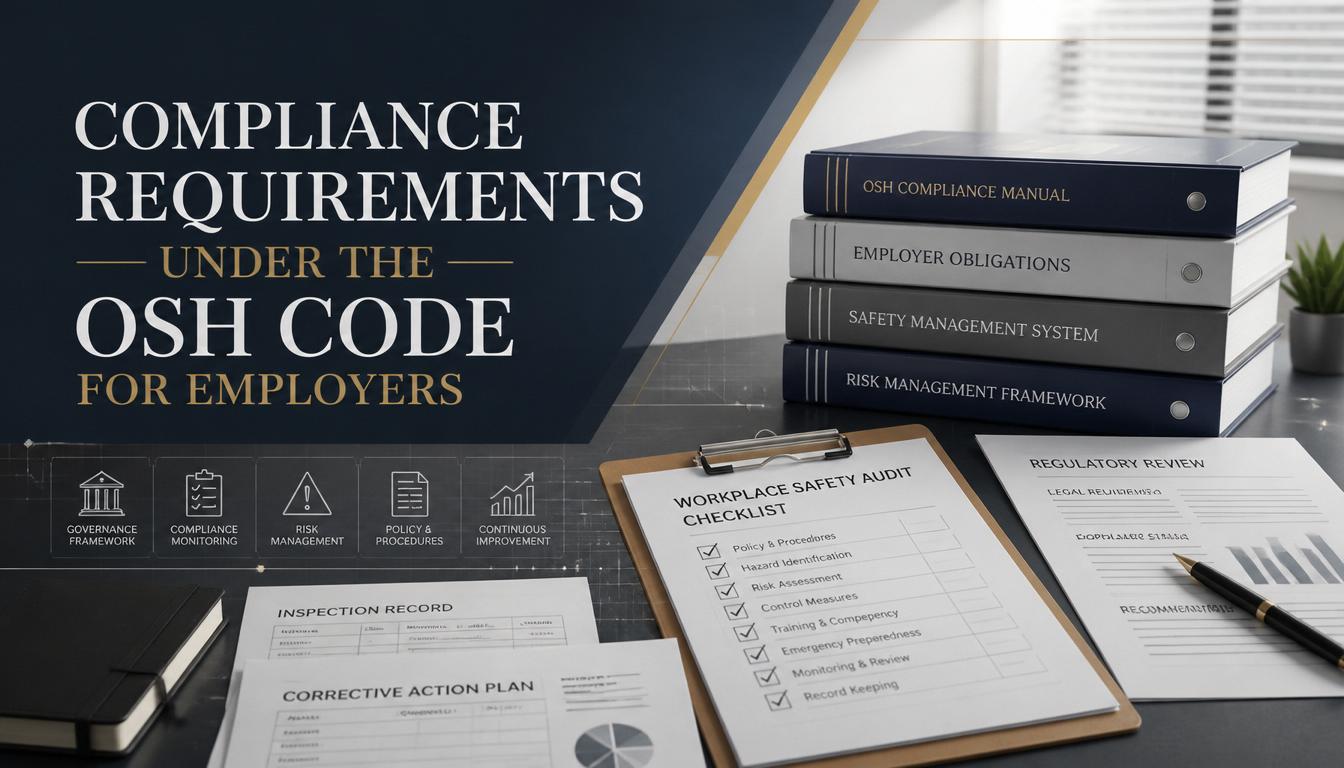
Compliance Requirements Under the OSH Code for Employers

Compliance Requirements Under the OSH Code for Employers

This article pertains to Compliance Requirements Under the OSH Code for Employers.

Social Security Code Provisions for Gig and Platform Workers

Social Security Code: Provisions for Gig and Platform Workers

This article pertains to Social Security Code: Provisions for Gig and Platform Workers.
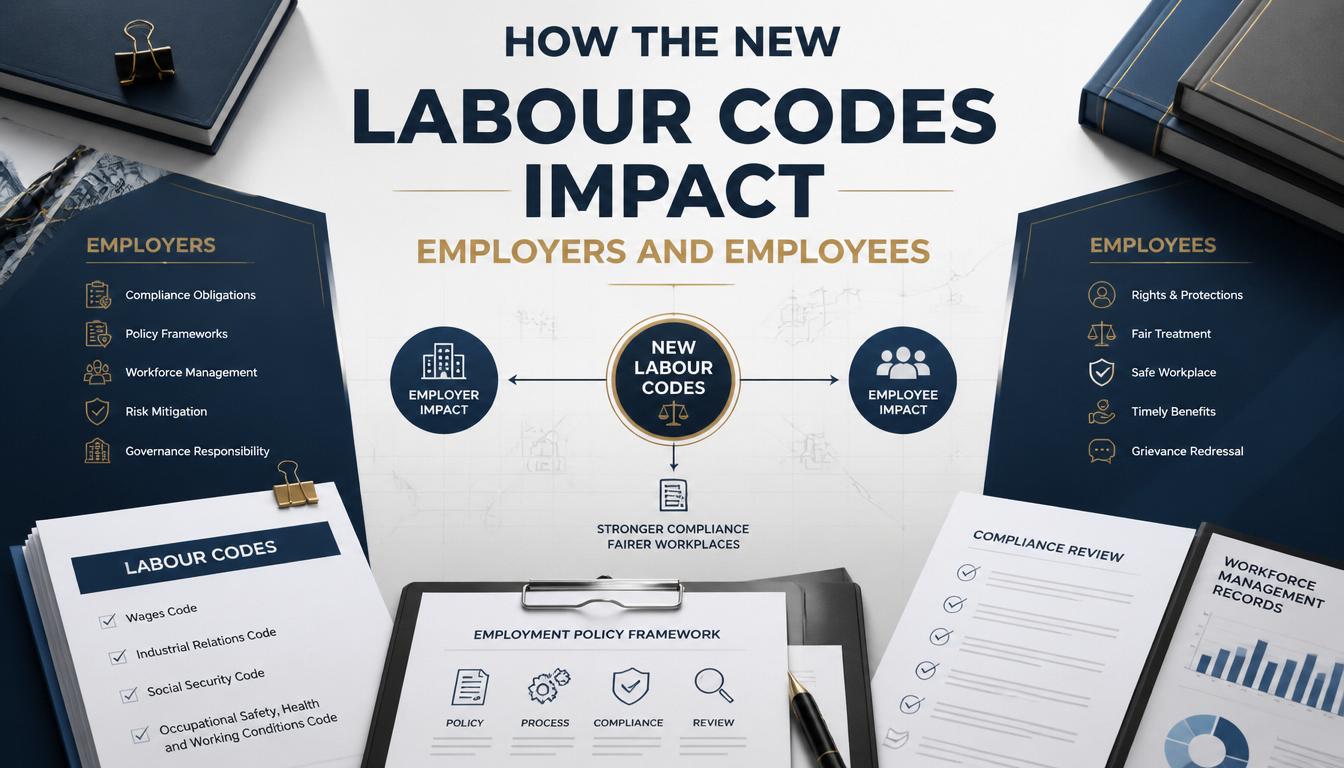
How the New Labour Codes Impact Employers and Employees

How the New Labour Codes Impact Employers and Employees

This article pertains to How the New Labour Codes Impact Employers and Employees.
The Occupational Safety, Health, and Working Conditions Code An Overview

The Occupational Safety, Health, and Working Conditions Code: An Overview

This article pertains to The Occupational Safety, Health, and Working Conditions Code: An Overview.

Employee Rights During and After Maternity Leave Legal Insights

Employee Rights During and After Maternity Leave: Legal Insights

This article pertains to Employee Rights During and After Maternity Leave: Legal Insights.

Case Studies on Maternity Leave Disputes and Resolutions

Case Studies on Maternity Leave Disputes and Resolutions

This article pertains to Case Studies on Maternity Leave Disputes and Resolutions.
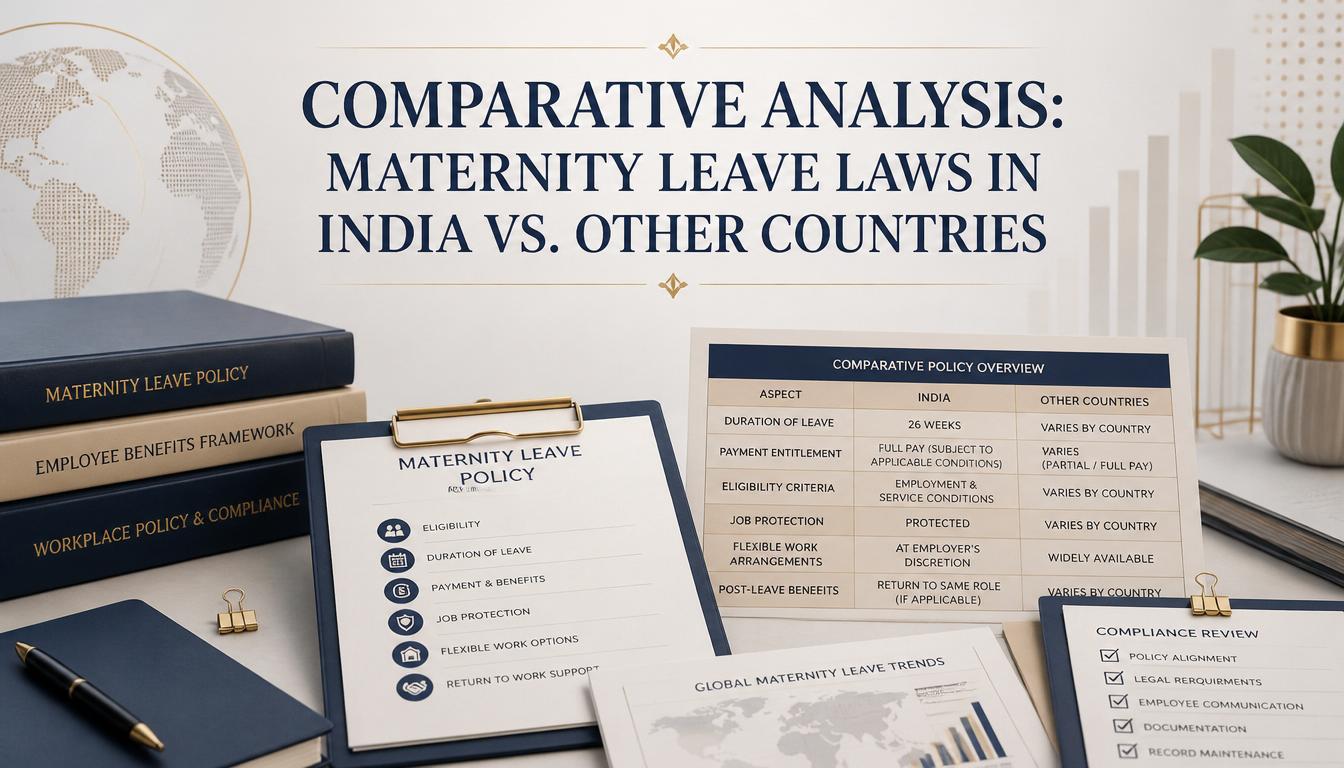
Comparative Analysis Maternity Leave Laws in India vs. Other Countries

Comparative Analysis: Maternity Leave Laws in India vs. Other Countries

This article pertains to Comparative Analysis: Maternity Leave Laws in India vs. Other Countries.

Legal Insights Recent Case Laws on POSH in India

Legal Insights: Recent Case Laws on POSH in India

This article pertains to Legal Insights: Recent Case Laws on POSH in India.

Book Legal Consultation
Submit Legal Article

Virtual legal conference

Book Legal Consultation

Direct access to Corrida Legal lawyers providing actionable solutions tailored to your business requirements whilst maintaining complete confidentiality.

Trusted by Fortune 500s, Global MNCs & High-Growth Startups (500+ Consultations Conducted)

Live Virtual Consultation with Prior Document Review

Direct access to Corrida Legal’s Managing Partner, Pushkar Thakur via Senior Consultation

Confidential Legal Advice with Complete Data Protection

Frequently Asked Questions

Questions businesses ask us

What topics does Corrida Legal publish on?

Corrida Legal focuses on the areas where it has expertise, i.e. corporate and employment laws. Thus, any publication primarily covers topics such as HR compliance, POSH, data protection, commercial contracts, startup fundraising, India entry, and dispute-prevention strategy.

No. Publications should be treated as general legal information, not company-specific legal advice. The publications which are available on the firm’s website are only for the purpose of knowledge sharing and must not be taken as a legal opinion.

Companies should approach the firm specifically with their concerns if they seek legal advice is provided on a case-by-case basis, and thereby any opinion can only be shared once the firm reviews the relevant contracts, policies, facts, records, and business objectives.

FAQs and explainers help companies identify legal issues in a clear and concise manner. These serve as useful tools for founders, HR teams and management as they tackle practical questions which typically arise in the mind of the organisation while conducting its operations. These FAQs and explainers serve the purpose of providing entry-level knowledge of the key legal requirements that go into any operational and legal action.

A useful legal publication gives a direct answer, identifies the practical risk, and tells the company what document or process to check. We at Corrida Legal believe that any publication plays a crucial role for an organisation to evaluate the legal requirements and to determine how to navigate the regulatory compliance in India. Thus, the publication acts as a vital tool in mitigating risk for organisations.

Companies should not rely only on online articles for legal decisions. The legal articles are only for the purpose of knowledge sharing, and any decision which is being undertaken by the organisation must be based on relevant documents and the opinion of a legal practitioner.

Companies should use publications to understand issues, identify risks and prepare documents for seeking the service of legal review or opinion.

The article can guide questions, but the final action should be based on the company’s agreement, policy, facts, and evidence.

Yes. With AI being a prevalent topic of concern for not only legal practitioners, but also business organisations, Corrida Legal promotes the drafting of publications with respect to AI and data risk. This content ensures that the organisation is well-versed in the regulatory landscape applicable to SaaS companies, IT businesses, and data-heavy organisations.

Yes, where statutory references are needed, they should be accurate and based on the latest version of the law. This enables any business team reading the publication to have quick access to the relevant legal provision, and it further reinforces the credibility of the publication.

Corrida Legal’s publications should be written for business teams, HR heads, founders, and management. The aim of these publications is to be legally accurate, but also provide operational insight into the industry. Thus, any publication must be written in a manner that is understandable to business teams, while also providing them insight into new perspective on the law.

The best formats are FAQs, short explainers, checklists, legal-risk notes, employer guides, contract clause explainers, and compliance-readiness pages.

These formats match how companies search for legal help: by problem, document, compliance issue, or business situation.

To Top