

The Indian Contract Act, 1872 (“Act”) is a cornerstone of the nation’s legal framework, governing the formation, performance and enforcement of contracts. Under this comprehensive body of law, the notion of damages holds immense significance, serving as a crucial remedy for parties aggrieved by breaches of contractual obligations.
An e-commerce business refers to a commercial enterprise that operates online, primarily involved in buying and selling products or services over the Internet. The Consumer Protection (E-Commerce) Rules, 2020 (“E-Commerce Rules”) defines an e-commerce entity as an individual or entity that owns, operates, or manages a digital or electronic platform or facility for conducting electronic commerce. However, it does not include a seller who offers their goods or services for sale on a marketplace e-commerce platform.
The Department for Promotion of Industry and Internal Trade (DPIIT) under the Ministry of Commerce & Industry is responsible for formulating FDI policies and managing data on inward FDI. Initiatives such as Make in India, champion sector support, and project development cells under the Scheme of Investment Promotion (SIP)[1] have been launched to promote investment.

Indemnification, in its simplest form, is a situation where one party replenishes the losses suffered by aggrieved party due to acts or omissions committed by the replenishing party. It is a legal concept that refers to compensation provided to one party by another for potential losses, damages, or liabilities that may arise from a specified event or circumstance. Indemnity Clause is a contractual provision that seeks to transfer the burden of potential loss or liability from one party to another. Its purpose is to safeguard one party (the indemnity holder/ indemnified) by ensuring that any potential losses, damages, etc. caused to it are assumed by the other party which has caused such potential loss or damage (indemnifier/ indemnifying party).
In India, the regulatory framework for fintech is currently fragmented, lacking a unified set of rules or norms that govern all fintech services. This fragmentation poses challenges in effectively regulating the industry since there is no comprehensive set of fintech laws. The primary regulatory agencies overseeing this sector in India include the Reserve Bank of India (RBI), the Insurance Regulatory and Development Authority of India (IRDAI), the Securities and Exchange Board of India (SEBI), the Ministry of Corporate Affairs (MCA), and the Ministry of Electronics and Information Technology (MEITY)

Navigating HR and Employment Laws in India requires a thorough understanding of the legal landscape and a commitment to compliance. By following the checklist outlined in this article, organisations can ensure they are legally compliant, protect employee rights, and minimize the risk of legal disputes. Proactive adherence to HR and Employment Laws not only establishes a positive work environment but also promotes a culture of fairness, equality, and employee well-being.
The POSH Act applies to all workplaces in India, including government organisations, private sector, hospitality or nursing homes, sports institutes/facilities, or a dwelling place or house safeguarding the rights of women who are employed or visit any workplace, irrespective of their employment status.

The concept of moonlighting has become a major talk of the corporate town, and with the recent take of Mr. Sandip Patel, MD, IBM India, we get a hint of this trend gaining momentum amongst the peers in the tech industry. He dissuaded employees from siding with moonlighting if the interests of the company are at stake. He emphasized on following the due process, if at all, employees wish to take up side jobs but his internal note terms moonlighting as a violation of trust, policy and creates a potential conflict of interest. It is clear from his views that companies really have important concerns and are finding themselves at the cross-roads although there might be the necessary bending going on, on the inside to accommodate the interests of both the employers and the employees.
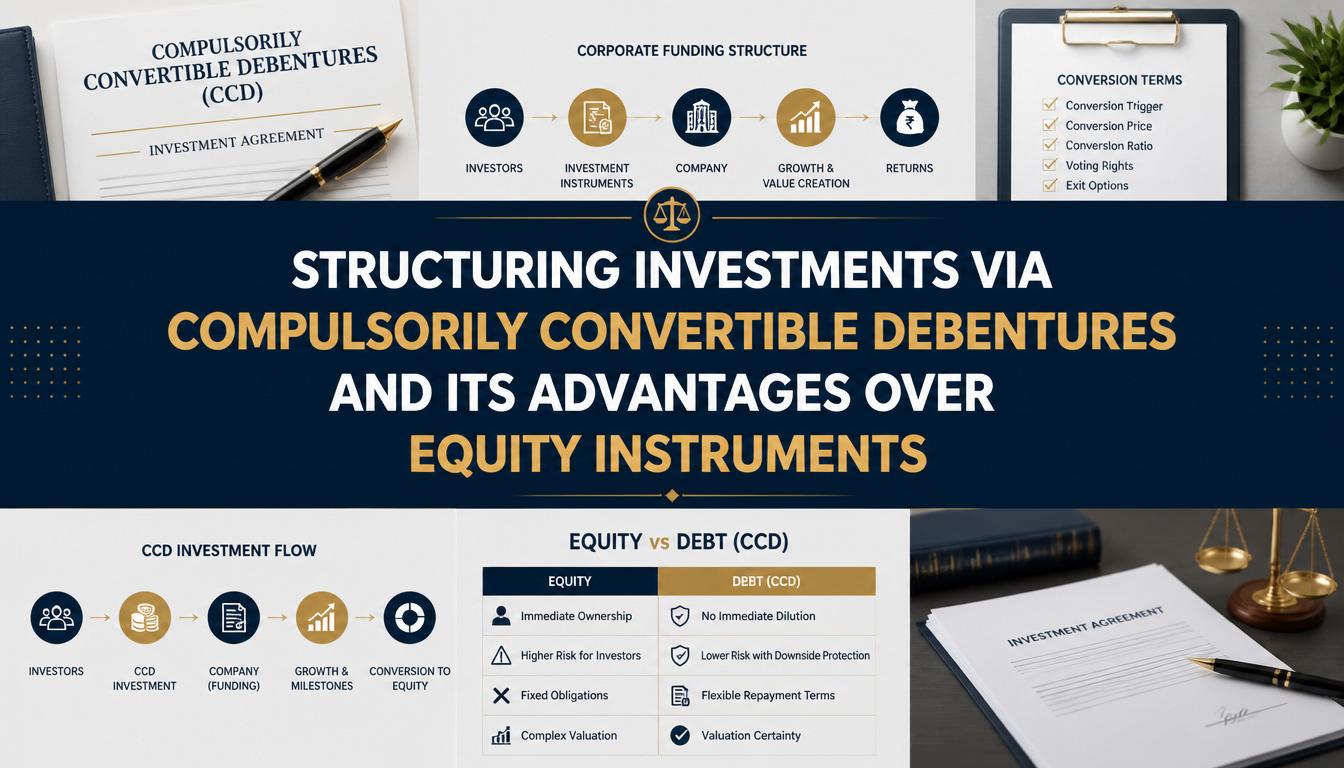
We are penning this article to give the readers a brief outlook on the potential advantages in respect of the structuring of an investment via compulsorily convertible debentures in comparison to other pure equity instruments.
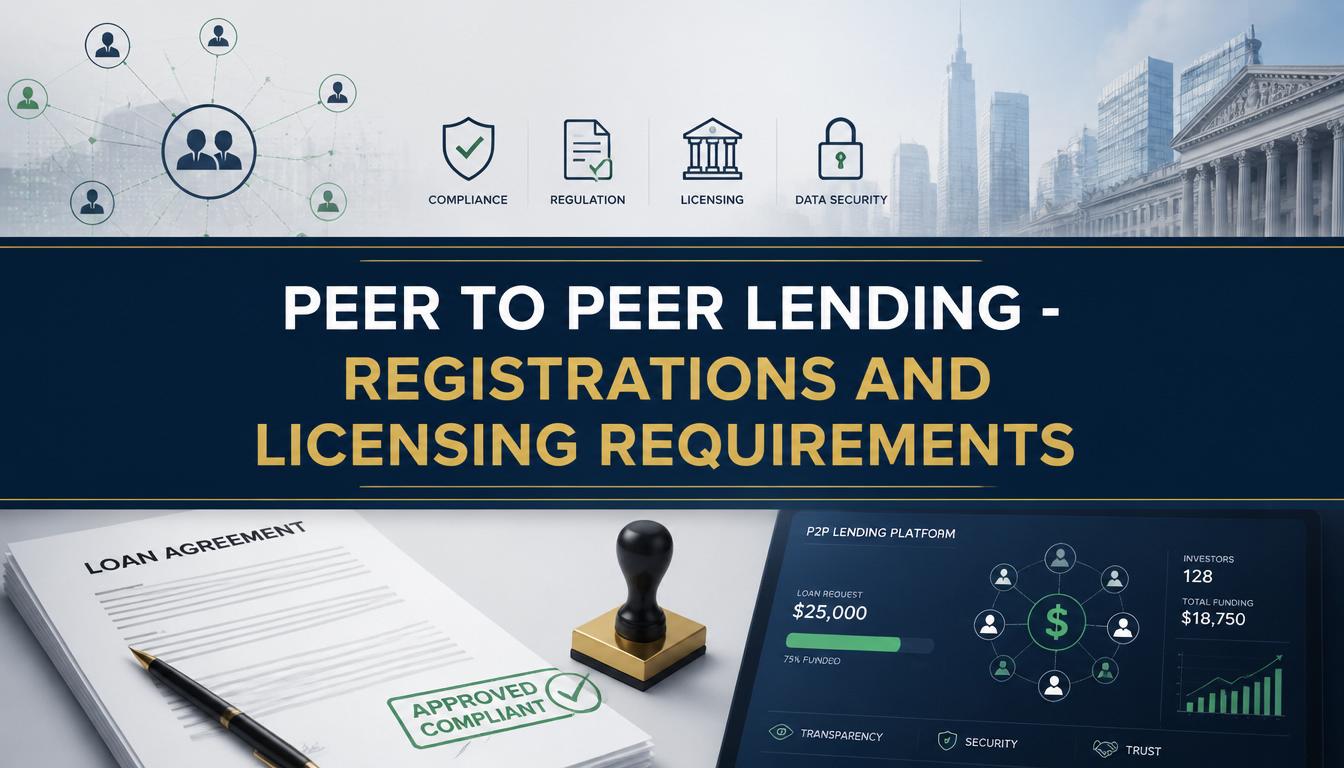
Through this brief article, we aim to provide a gist of the registration and licensing requirements for an entity engaged in peer-to-peer lending in India in addition to the prudential and reporting requirements in such respect.
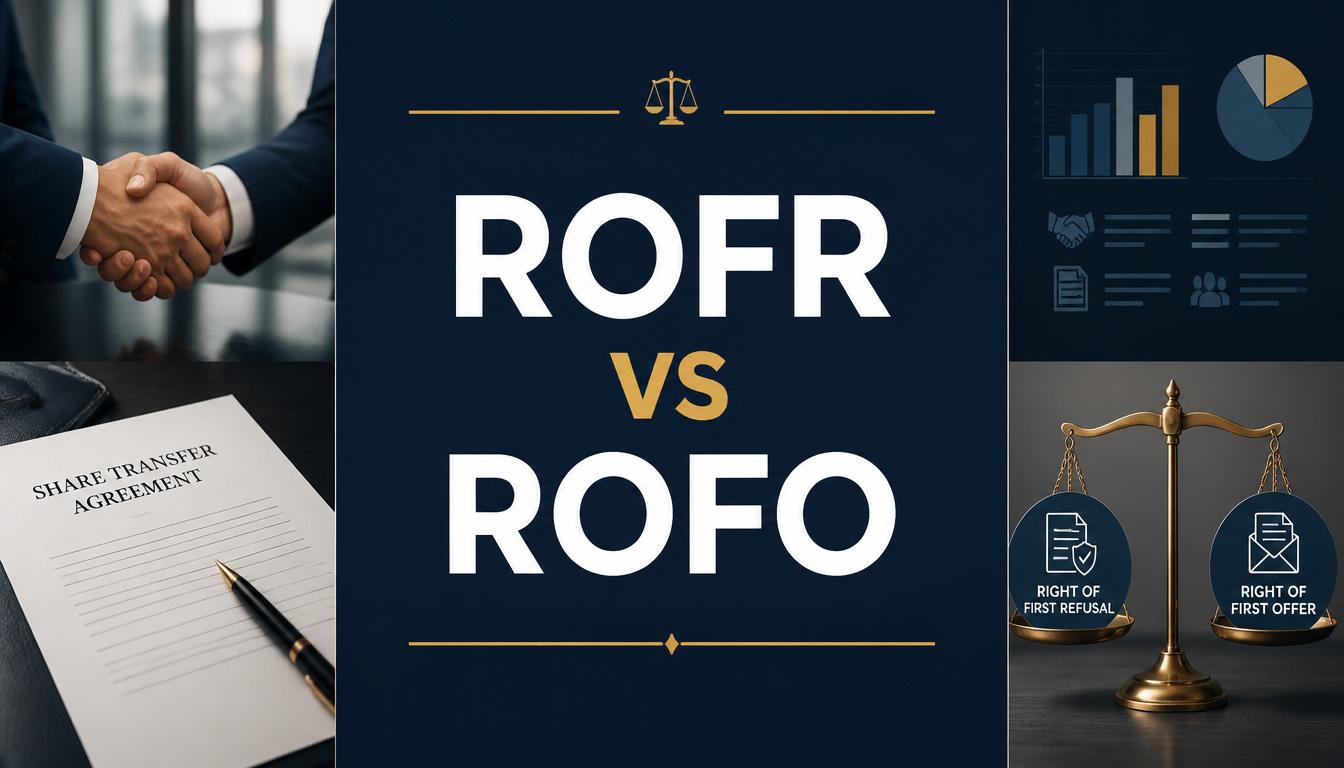
This article speaks on the salient differences between the exercise of a ‘Right of First Refusal’ and a ‘Right of First Offer’.

Often used together, Private Equity (PE) and Venture Capital (VC) are different concepts pertaining to infusion of capital through equity purchase by investors. Thought to be similar concepts, PE and VC differ from each other in their basics. With the focus to invest in companies possessing ideas or expansion related plans or simply with a view of getting a profitable exit, citing the growth prospect of the investee companies, this article aims to explain the concept of PE and VC, along with laying down the differences between the concepts and finally explaining in brief, the legal mechanisms that govern PE and VC.
Categories
- Bare Acts
- Commercial and Operational Contracts
- Corporate Law
- Corporate Law Advisory & Contract Drafting
- Corporate Laws Advisory, Compliances & Taxation
- Cross-Border Employment & Expatriate Management
- Data Privacy & Protection
- Dispute Resolution
- Dispute Resolution – Litigation
- DPDPA Readiness & Data Protection
- E-commerce Laws
- Employee Contracts and HR Policies
- Employment & Labour Laws
- ESOPs, Benefits and CSR
- Fintech & E-Commerce Laws
- FinTech: Laws & Regulations
- Fundraising Advisory & Documentation
- India Entry and Foreign Investments
- Industries
- Intellectual Property Protection
- Investigations and Trainings
- Labour Codes Compliance and HR Audits
- Labour Laws Licensing & Compliance
- Mergers and acquisitions (M&A)
- Prevention of Sexual Harassment (POSH): Trainings, Policy Drafting & Investigations
- Prevention Of Sexual Harassment: Trainings, Policy Drafting & Investigations
- Startup – Setup, Documentation & Advisory
- STARTUPS: SETUP & INVESTOR READINESS
- Statutory Compliances & Registrations
- Tax
- Technology and Media Law
- Uncategorized
- Workforce Restructuring & Layoffs
Resources
Virtual legal conference
Book Legal Consultation
Direct access to Corrida Legal lawyers providing actionable solutions tailored to your business requirements whilst maintaining complete confidentiality.
Trusted by Fortune 500s, Global MNCs & High-Growth Startups (500+ Consultations Conducted)
Live Virtual Consultation with Prior Document Review
Direct access to Corrida Legal’s Managing Partner, Pushkar Thakur via Senior Consultation
Confidential Legal Advice with Complete Data Protection
Frequently Asked Questions
Questions businesses ask us
What topics does Corrida Legal publish on?
Corrida Legal focuses on the areas where it has expertise, i.e. corporate and employment laws. Thus, any publication primarily covers topics such as HR compliance, POSH, data protection, commercial contracts, startup fundraising, India entry, and dispute-prevention strategy.
Are Corrida Legal publications legal advice?
No. Publications should be treated as general legal information, not company-specific legal advice. The publications which are available on the firm’s website are only for the purpose of knowledge sharing and must not be taken as a legal opinion.
Companies should approach the firm specifically with their concerns if they seek legal advice is provided on a case-by-case basis, and thereby any opinion can only be shared once the firm reviews the relevant contracts, policies, facts, records, and business objectives.
Why does Corrida Legal publish FAQs and explainers?
FAQs and explainers help companies identify legal issues in a clear and concise manner. These serve as useful tools for founders, HR teams and management as they tackle practical questions which typically arise in the mind of the organisation while conducting its operations. These FAQs and explainers serve the purpose of providing entry-level knowledge of the key legal requirements that go into any operational and legal action.
What makes a useful legal publication for companies?
A useful legal publication gives a direct answer, identifies the practical risk, and tells the company what document or process to check. We at Corrida Legal believe that any publication plays a crucial role for an organisation to evaluate the legal requirements and to determine how to navigate the regulatory compliance in India. Thus, the publication acts as a vital tool in mitigating risk for organisations.
Can companies rely on online legal articles for decisions?
Companies should not rely only on online articles for legal decisions. The legal articles are only for the purpose of knowledge sharing, and any decision which is being undertaken by the organisation must be based on relevant documents and the opinion of a legal practitioner.
How should companies use Corrida Legal’s publications?
Companies should use publications to understand issues, identify risks and prepare documents for seeking the service of legal review or opinion.
The article can guide questions, but the final action should be based on the company’s agreement, policy, facts, and evidence.
Will Corrida Legal publish on AI and data risks?
Yes. With AI being a prevalent topic of concern for not only legal practitioners, but also business organisations, Corrida Legal promotes the drafting of publications with respect to AI and data risk. This content ensures that the organisation is well-versed in the regulatory landscape applicable to SaaS companies, IT businesses, and data-heavy organisations.
Should publications include statutory references?
Yes, where statutory references are needed, they should be accurate and based on the latest version of the law. This enables any business team reading the publication to have quick access to the relevant legal provision, and it further reinforces the credibility of the publication.
Should publications be written for lawyers or business teams?
Corrida Legal’s publications should be written for business teams, HR heads, founders, and management. The aim of these publications is to be legally accurate, but also provide operational insight into the industry. Thus, any publication must be written in a manner that is understandable to business teams, while also providing them insight into new perspective on the law.
What publication formats work best for Corrida Legal?
The best formats are FAQs, short explainers, checklists, legal-risk notes, employer guides, contract clause explainers, and compliance-readiness pages.
These formats match how companies search for legal help: by problem, document, compliance issue, or business situation.


